
When is it Time to Replace Your Plumbing? Here's What to Expect
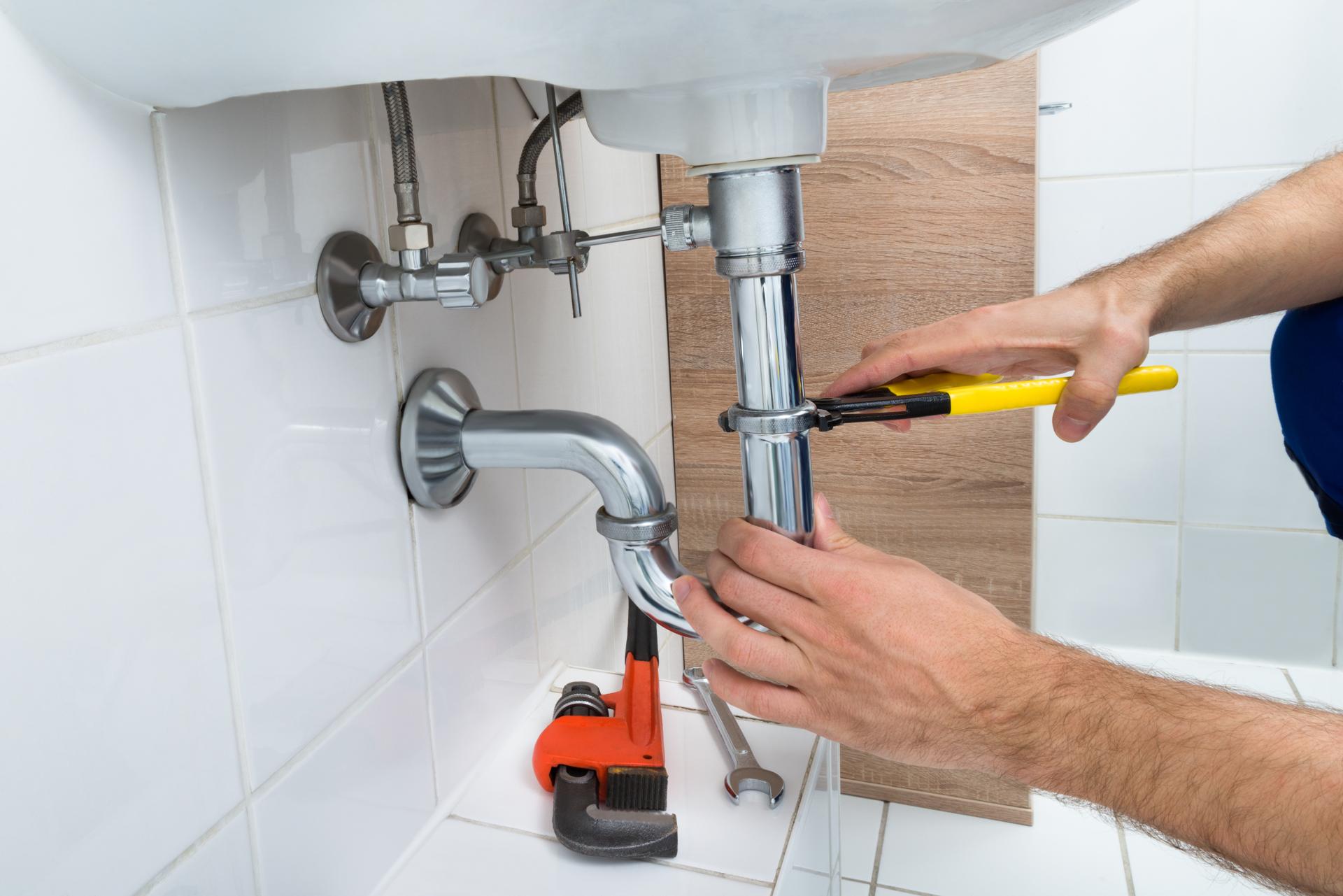
Plumbing is an essential component of any house and provides us with safe water to drink, cook and for cleaning, as well as a way to dispose of waste. But, just like every other home appliance plumbing is prone to become worn out and need replacement.
Knowing when it’s time to replace your plumbing is crucial to prevent expensive repairs and to avoid health risks. We’ll go over the signs that suggest that your plumbing is in need of being replaced, what you should consider prior to replacing your plumbing, the procedure for replacing your plumbing as well as the benefits that come with replacing your plumbing and a FAQ section to answer any questions you may have.
Signs that it’s Time to upgrade your plumbing
There are a variety of indications that the plumbing in your home needs to be replaced, for example: Leaks If you see water stains or puddles around your home, it’s a sign of a plumbing leak. Leaks can cause significant destruction to the structure of your home and may lead to mold growth and it’s important to fix them immediately. Rusty pipes a clear indication that your plumbing is in need of be replaced. Rust can cause a contamination to your water supply which makes it unfit to drink or cook with. Low pressure in the water: If your showerheads and faucets produce weak flow of water, it’s a sign of low pressure water, which is caused by blocked pipes or corroded pipes. Water discoloration: Water that is discolored like brown or yellow, is a sign of rust or sediment buildup within your pipes. It can alter the taste and the quality of your water and may indicate the need for plumbing repair.
Factors to Consider Before Replacing the plumbing
Before you replace your plumbing there are several aspects to take into consideration, such as the age of the plumbing system: Plumbing systems can have a lifespan of around 50 years, so if your home is older than that, it’s probably to be time to replace it. Cost of replacement: Replacing your plumbing can be expensive, so it’s essential to budget for the cost. The severity of the plumbing issue If the plumbing issues are serious and affect multiple areas of your home replacing it could be the best option.
What to Expect During the Plumbing Replacement Process
The replacement of plumbing requires many steps, such as shutting off your water source: Your plumber will have to turn off the water supply to your home to prevent any leaks or water damage. Removal of old pipes The old pipes will have to be removed, which may require cutting through walls or floors. Installation of new pipes New pipes are installed, which may require rerouting in order to ensure proper water flow. The length of time for the plumbing replacement process will depend on the size of your house and the difficulty of the task. Homeowners should expect disruptions throughout the process, such as water shut-offs, and possibly damage to walls and floors.
Benefits of Replacing Plumbing
Replacing your plumbing offers several advantages, such as: Increased water efficiency new plumbing pipes and fixtures can be more effective, reducing the amount of water you use and decreasing the cost of your utilities. Better water quality: Replacing the old pipes that are corroded with new ones can improve the quality of your water and make it safer to drink and cooking. Reduced risk of future plumbing issues New plumbing is less likely to develop blockages or leaks, thus reducing the need for costly repairs in the near future.
Conclusion
Removing your plumbing is a major investment, but it’s essential to ensure the safety of your home and peace of mind. When you are aware of the signs that suggest your plumbing needs to be replaced, considering the elements that influence replacement and knowing what you can anticipate during the replacement process, you will be able to make an informed decision about your home’s plumbing. Be aware that replacing your plumbing will provide many benefits, including increased water efficiency, improved water quality, and reduced chance of developing future plumbing issues.
FAQ Section
What is the cost to replace plumbing?
The cost of replacing your plumbing will depend on many factors, such as how big your home as well as the complexity of the job, and the type of materials employed. On average, homeowners should expect to pay between $5,000 to $10,000 for a whole-house plumbing replacement.
How long does it take to replace plumbing?
The timeline for plumbing replacement will depend on the size of your home and the difficulty of the task. In general, a complete plumbing replacement can take between two and four weeks.
Do I need to replace my plumbing system if there is a leak?
If you only have one water leak within your pipes, it might not require a full replacement. However, if you’re experiencing a lot of leaks or detect other indications of plumbing problems, replacing could be the best choice.
Do I have the ability to replace my plumbing myself?
Replacing your plumbing can be a difficult task that should be left to a professional plumber. If you attempt to replace your plumbing yourself could result in costly errors as well as security risks.
What kind of pipe do I need to use to replace my plumbing?
There are many types of plumbing pipes for replacement, including copper PVC and PEX. Your plumber will recommend the most suitable type of pipes for your needs and budget. To conclude, the replacement of your plumbing system is a significant decision that should be made with care. By understanding the signs that tell you that your plumbing is in need of to be replaced, weighing the elements that influence replacement, and knowing what to expect during the plumbing replacement process, you will be able to make an informed decision about your home’s plumbing. A qualified plumber can help guide you through the process and guarantee a successful and efficient plumbing replacement.